Paper Trails: A Book Club Review of A Marriage at Sea
Our latest book club meeting took us deep into the Pacific Ocean as we dissected Sophie Elmhirst’s A Marriage at Sea: A True Story of Love, Obsession, and Shipwreck. This meticulously researched non-fiction account explores one of the most harrowing maritime survival stories of the 20th century: the 1973 ordeal of Maurice and Maralyn Bailey.
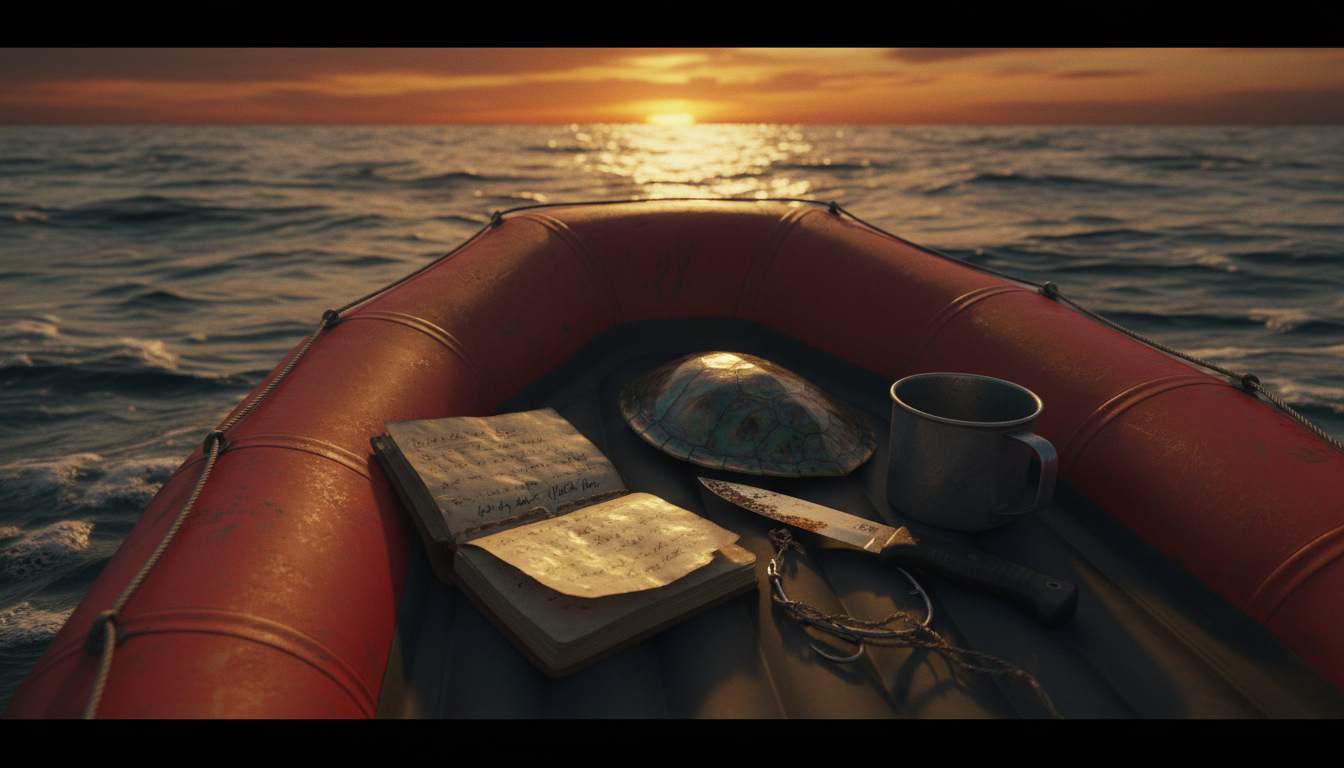
The narrative follows the Baileys, an unconventional couple who decided to leave the constraints of traditional British society to sail toward a new life in New Zealand.
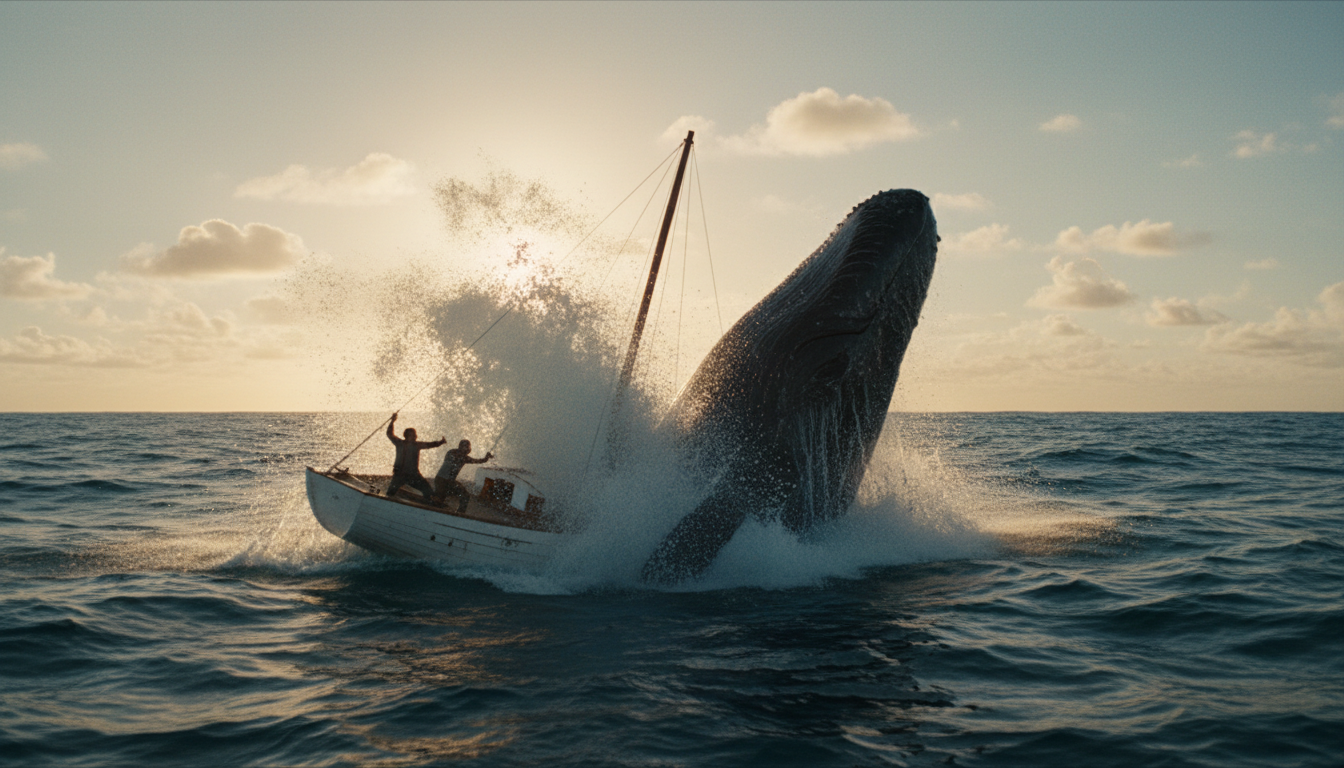
However, their journey took a tragic turn when their 31-foot yacht, the Auralyn, was struck by a whale and sank, forcing them to transition from sailors in control of a vessel to castaways fighting for their lives on a small, inflatable rubber raft and a tiny dinghy. For 117 days, they drifted across the Pacific, a journey Elmhirst reconstructs using the couple’s own logs and letters to meditate on the thin line between a shared dream and a shared nightmare.
Key Insights & Literary Analysis
The group’s discussion moved quickly past the mechanics of the shipwreck to the psychological dichotomy of the couple. We spent a significant amount of time contrasting Maurice’s rigid, methodical nature with Maralyn’s relentless optimism. While Maurice’s meticulous planning, like provisioning their supplies down to the gram, initially prepared them, some members noted that his neurodivergent traits seemed to lead to a loss of agency after the sinking. In contrast, Maralyn emerged as the primary driver of their survival, often adopting a maternal role to manage Maurice’s despair and keep their spirits from flagging.
The group mostly did not like Maurice’s character, but I didn’t mind him. I felt that because he seemed to have neurodivergent characteristics, his behaviors made sense. Did I agree with him? Not necessarily. Was he a bit gruff and self entitled at the end? Definitely. But he is an actual real person, different from fictional characters, and this shows how varied people can be.
When it came to survival logistics, the group felt a fair amount of friction regarding the couple's preparation. We questioned the logic of embarking on a global voyage without knowing how to swim or possessing a functional radio. We also debated the whale incident itself, wondering if it was a vindictive act by the animal or simply a tragic collision with a 30 foot vessel.
Perhaps the most heartbreaking part of the discussion centered on the failed rescues. The Baileys were bypassed by multiple ships. We noted the immense psychological toll this took, acknowledging the technical difficulty of spotting a low profile raft from a massive ship's bridge, especially as Maurice’s flares eventually failed due to age and moisture. To cope, the couple turned to routine and also keeping sea creatures as pets. The Dundee Cake, a Scottish fruit cake preserved by whiskey as we researched mid meeting, and the meticulous counting of provisions became critical psychological anchors that prevented total despair.
It is also interesting to see how in life one person held the reins and in this situation, the other person took over. It shows the ebbs and flows of relationship dynamics but without the extreme traumatic events that most people would experience. I myself wonder how I would be in this situation with my partner. How would we cope? Would we cope? Who would be the one in charge? All interesting questions.
Nuance, Friction, and the Post-Rescue Arc
The group generally agreed that the first half of the book was superior to the second. The Post-Rescue Arc felt less compelling to some, though it revealed the strange nature of Maurice’s life after Maralyn’s death. He eventually returned to his methodical, solitary routines, which made us wonder if his survival capabilities were tied to his internal structure all along, or if the partnership helped him lean into a different model that he simply abandoned once he was safe. I personally felt the second half could have been written differently, but since it is a true story, life isn't always as exciting as fiction.
We also touched on narrative credibility, with some members expressing skepticism about the truth of the stories told upon their return. This led to a reflection on running away. One member reflected on her own history of moving for practical reasons, realizing that weight follows you regardless of geography. However, I can really appreciate the concept of finding yourself through things you enjoy. In modern life, we are so tied down by responsibilities that we rarely do what we want. This couple just did it. Despite an unfathomable tragedy, they loved sailing so much they were planning their next adventure almost immediately. There is something incredibly freeing about living life that way.
A Note on the Two Marriages
For those looking to pick up this book, a word of caution: it is remarkably easy to confuse this true story with the 1891 novel of the same name by W. Clark Russell. Both books share an identical title and a central premise of a couple taking to the sea to find freedom. Because Russell’s Victorian novel is famous for its nautical realism, many readers assume it is a dramatized account of a real event. Conversely, because Elmhirst’s true account is written with such narrative flair, it is often mistaken for a modern historical novel. On platforms likeAmazon andGoodreads, the two are frequently cross-linked, but they are entirely different works.
The group has voted on our next selection: Writers & Lovers by Lily King.
